







Cheap disposable vapes can be worth buying, but only when the lower cost still gives you a product that customers can understand, use, and ask for again. A low price by itself does not protect a small shop from poor flavor fit, confusing charging, weak shelf appeal, or a first order that is too scattered to learn from. Judge value by the selling role, puff tier, charging clarity, flavor mix, nicotine options, and order size before you treat a cheaper option as a good buy.
Cheap should mean easier to test, not weaker to explain
For a small buyer, cheap disposable vapes are useful when they make a trial order easier. That usually means the product has a clear puff range, a flavor list that fits known demand, visible strength options, and a design that staff can explain without a long script.
If the only selling point is that the product costs less, the order may still be risky. Customers may ask how long it lasts, whether it charges, what the display means, or why the flavor name is unfamiliar. If your team cannot answer those questions quickly, the lower price may not feel like value after the sale.
The better question is: what does this product let me test? It may help you test a smaller puff tier, a simple rechargeable format, a familiar fruit flavor group, or a more affordable way to compare a brand. That kind of value is more useful than chasing the lowest visible number.
A practical value check for cheap disposable vapes
| Buying point | Why it matters | Better buyer question |
|---|---|---|
| Product role | A cheap product still needs a clear reason to sit on the shelf. | Is this a starter trial, a lower-cost restock, or a longer-use value option? |
| Puff tier | Puff count shapes customer expectation but does not prove real-life use. | Is the puff range believable for the price position and product design? |
| Rechargeable design | Charging can help the device use more of its e-liquid before the battery runs down. | Is the charging wording simple enough for customers? |
| Flavor mix | A cheap product with the wrong flavors can move slowly. | Do these flavors match what people already ask for? |
| Nicotine options | Strength availability can affect whether the product fits your market. | Are the listed strengths clear on the product page? |
| First order size | A wide cheap order can be harder to read than a narrow test. | Can I test this without mixing too many new variables? |
The VAPEQ10 disposable vapes category is the cleanest starting point when you are still comparing product roles. Use it to look across formats first, then narrow into puff tier, charging, flavor, and order planning.
Entry test
An entry test should be easy to explain. The product does not need every extra selling point. It needs a clear role, familiar flavors, and a price position that lets you learn what customers do without overcommitting.
Longer-use value
Some buyers compare value by how long a device is meant to last. Higher puff counts can help here, but the device also needs charging clarity, flavor fit, and a product page that explains the basics.
Shelf attention
Screens, large numbers, and bold designs can help a product catch attention. They are useful only when the benefit is easy to understand. If a buyer needs a long explanation, the value story gets weaker.
Example: when a mid-range high-puff option is easier to judge
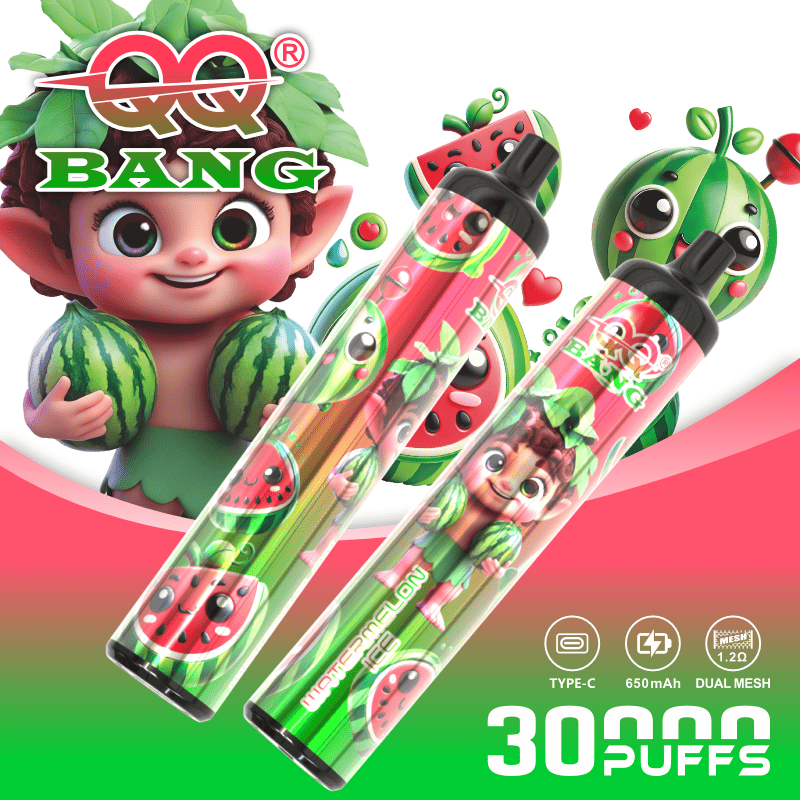
QQ Bang 30K is a useful example because the buying reason is easy to read: a high-puff disposable with rechargeable wording and a familiar product role. That does not make it right for every buyer. It simply gives a small shop a clearer way to compare value than a product with too many unclear claims.
When looking at QQ Bang 30K, the value check should stay practical. Does the puff range fit the customer you are serving? Are the available flavors understandable? Are the nicotine options shown clearly? Can your team explain why this model is in the first order?
This is the kind of comparison that helps a buyer avoid a common mistake: assuming that every lower-priced option is automatically low risk. A cheaper product still needs a clear use case.
Puff count can help, but it should not carry the whole decision
Puff count is often the first number buyers notice. It helps position the product and gives customers a quick way to compare longer-use options. But puff count should filter the list, not decide the order alone.
Real use can vary with draw length, charging habits, mode, coil behavior, and how the customer uses the device. A larger number may attract attention, but it does not replace the rest of the value check.
If longer-use positioning matters for your shop, compare the VAPEQ10 high puff disposable vapes category after you understand the basic product role. Then judge each product by charging clarity, flavor range, and first-order fit, not by puff count alone.
Rechargeable wording should reduce confusion
A rechargeable disposable is still disposable. The charging port helps the device keep working while it has usable e-liquid, but it does not turn the device into a refillable vape. That distinction matters because customer confusion can create support problems.
Before buying, check how charging is described. Type-C wording is often easier for customers to understand because the connector is familiar. Still, the important point is not only the port. The product page should make the charging idea clear enough that a customer knows what the device is and what it is not.
For a value-focused order, rechargeable clarity can matter more than a flashy design. A cheaper product that customers understand may perform better than a more complicated option that needs too much explanation.
Flavor mix decides more value than many buyers expect
A low-cost product can fail if the flavor mix is wrong. For a first order, familiar flavors usually teach you more than a wide spread of unusual names. You want enough variety to learn, but not so much that the result becomes unclear.
Start with flavors that match the conversations you already hear. If customers ask for fruit, ice, or simple sweet profiles, build the test around that. If your customers already ask for a specific flavor family, add it deliberately instead of treating the long flavor list as a reason to order wide.
The same logic applies to nicotine strength. Check the listed strengths before you judge value. A product that looks attractive may not fit your market if the available strengths do not match what your customers can buy or prefer.
Buyer checklist
- Can I explain the product role in one sentence?
- Is the lower cost helping me test demand, or only tempting me to order wider?
- Does the puff tier match the customer expectation I want to serve?
- Is charging clear, especially if the device is rechargeable?
- Are the flavor names familiar enough for the first test?
- Are nicotine options shown clearly on the product page?
- Have I avoided treating puff count as a guaranteed result?
- Is the first order narrow enough to learn from?
When a higher-puff product may still be the value buy
Sometimes a product with a higher puff tier can be the better value path, even if the upfront price is not the lowest. That happens when customers clearly want longer-use devices and the product is still easy to explain.
Gazzbar Ice God 50K is an example of a higher-puff product that should be judged by role, not only by size. A buyer should ask whether the longer-use position, visual design, flavor options, and customer demand line up. If those pieces do not fit, the larger number may not solve the buying problem.
This is where value thinking helps. Cheap does not always mean the smallest product, and high puff does not always mean better value. The right value product is the one that fits the customer question you are trying to answer.

Do not move to wholesale discussion too early
Product choice and order discussion should be separate steps. If you ask for quantities before you know the product role, you may end up comparing mixed options without a clear reason.
First narrow the value role. Decide whether you are testing a simple lower-cost item, a rechargeable option, a high-puff value product, or a display-led product. Then use the VAPEQ10 wholesale disposable vapes page to move from product comparison into order discussion.
This keeps the buying process cleaner. You are not asking for the lowest possible item. You are asking which product is worth a controlled first test.
FAQ
They can be worth buying when the product role, puff tier, charging clarity, flavor mix, nicotine options, and first-order size make sense together. Low price alone is not enough.
Not by itself. A lower price can help a trial order, but the product still needs to be easy to explain and suitable for your customers.
They can, but not automatically. Higher puff counts should be checked against charging, flavor fit, product explanation, and customer demand.
The biggest mistake is treating low price as low risk. A cheap product can still create slow sales or support questions if the flavor mix, charging wording, or product role is unclear.
Ask about wholesale after you narrow the product type and value role. That makes the quote conversation more focused and reduces scattered first-order decisions.
Bottom line
Cheap disposable vapes are worth considering when they make buying easier to test, not when they simply look lower priced. Start with the product role, check puff tier and charging clarity, keep the flavor mix sensible, and use a narrow first order to learn. Value is the product that fits your shelf and teaches you something useful before you buy wider.
You might be interested in
Fumot RandM Digital Box 12K Display Disposable Vape
$30.99Original price was: $30.99.$10.99Current price is: $10.99.Bang Tornado 12K LED-Light Disposable Vape
$27.99Original price was: $27.99.$7.99Current price is: $7.99.VAPME Shisha 15K Hookah DTL Disposable Vape
$28.99Original price was: $28.99.$7.99Current price is: $7.99.Bang King 25K Dual-Pod Disposable Vape
$27.99Original price was: $27.99.$7.99Current price is: $7.99.Bang 25K LED Display Disposable Vape
$29.99Original price was: $29.99.$9.99Current price is: $9.99.Bang King 30K Double Taste Disposable Vape
$29.99Original price was: $29.99.$9.99Current price is: $9.99.Mr.Goodie 20000 20K Puffs 2% 5% Nicotine Double Warehouser Disposable Vape Pod
$27.99Original price was: $27.99.$7.99Current price is: $7.99.UZY Bang Digital 15K Disposable Vape
$28.99Original price was: $28.99.$8.99Current price is: $8.99.